Escher for the blind and visually impaired
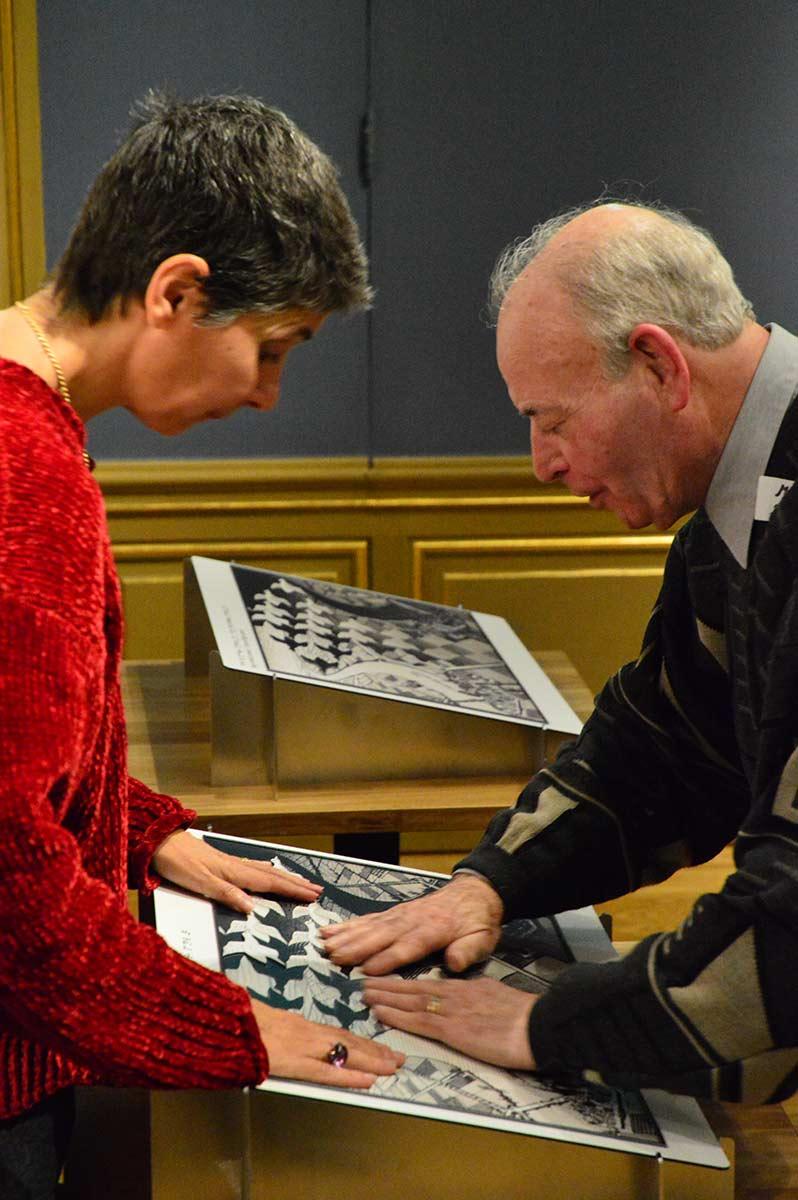
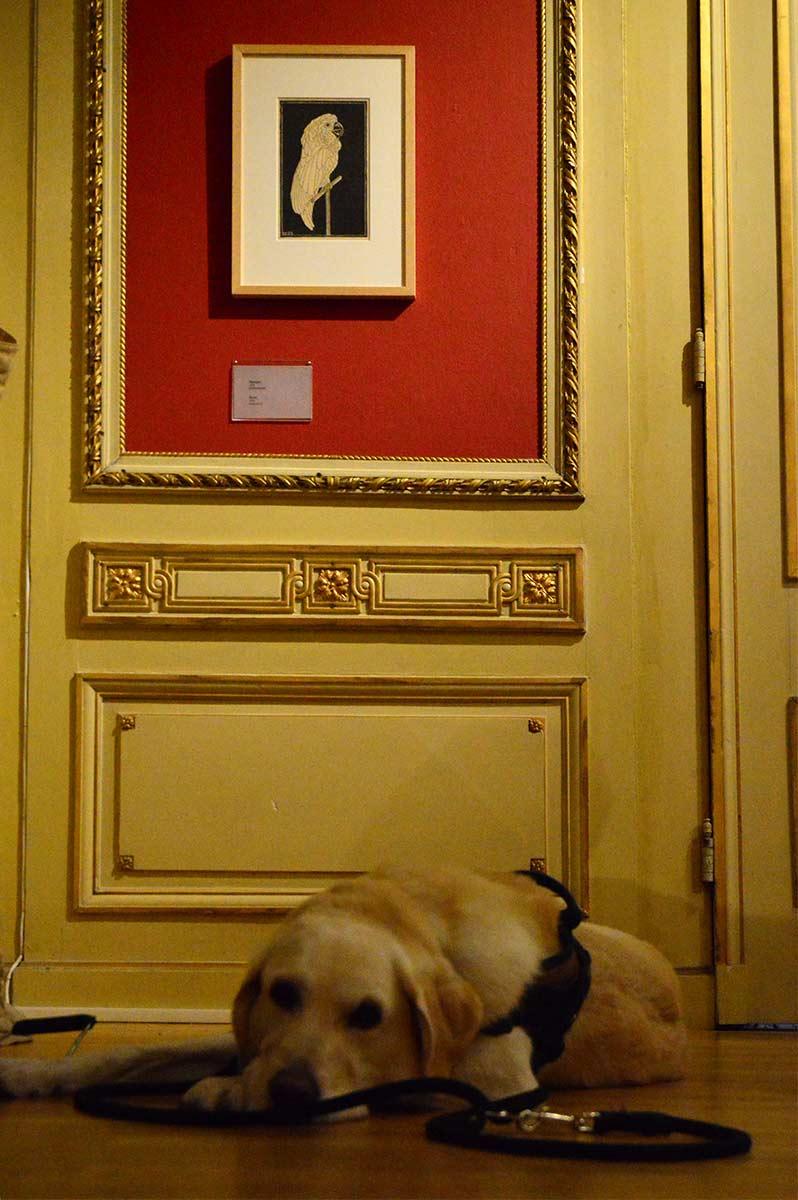
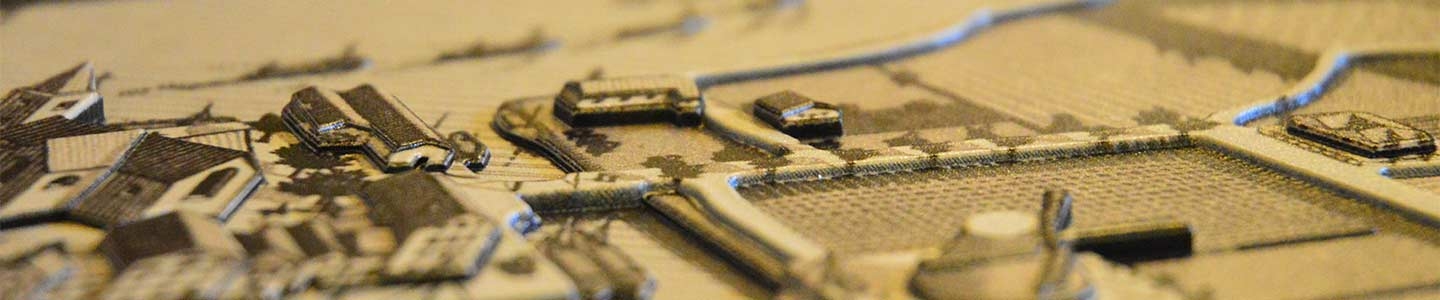
Several times a year, Escher in The Palace organises special guided tours for those who are blind or visually impaired. Before regular opening hours, between 09.30 and 11.00, we open our doors and take you on a tour of a number of masterpieces from the museum's permanent exhibition. During the tour, specially trained guides talk about the life and work of Maurits Cornelis Escher. Our blind and visually impaired visitors get to know the artworks in an interactive way and they form an image based on feeling, hearing and imagining. Specially designed relief reproductions and props are used during the tour as an aid to experience the artworks even more intensively.
From 10 June to 1 November, the exhibition Escher & Islamic Art: 20 Perspectives will be on display. It brings together the work of Escher with that of contemporary artists who relate to Islamic cultural heritage in various ways. The guided tour on 6 June 2026 will highlight the art of both Escher and these contemporary artists. Specially developed tactile objects will enrich this tour.